

The digital environment has made influencer marketing a visible channel for gambling products’ promotion. Social networks, short videos and livestreams enable promotional messages to be delivered by familiar creators instead of in traditional advertising formats. This has opened new doors for digital marketing but also raised questions of transparency, protection of audiences, and responsibility of all involved in a campaign. Gambling streamers can promote gambling brands and products through livestreams, sponsored content, and other forms of digital advertising.
Why the Gambling Industry Turned to Influencer Marketing
The growth of social media has changed how audiences discover products and services. Traditional advertising remains important, but users increasingly encounter commercial messages through creators, livestreams, and short–form videos.
Influencer marketing can personalize promotional communication. The message relating to gambling may be in a review, discussion, or entertainment format, rather than a conventional advertisement.
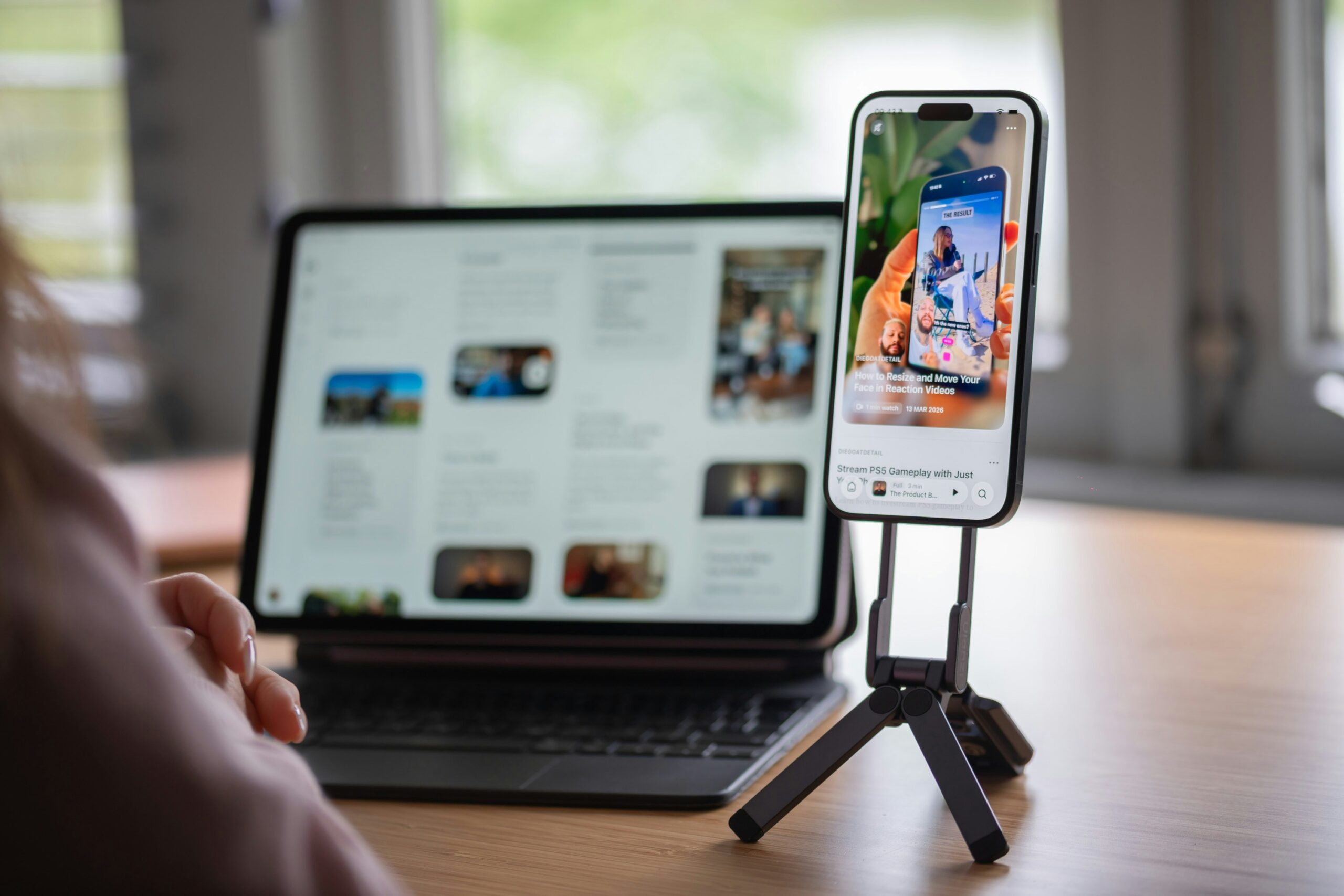
Short videos are ideal for mobile audiences as they provide information in a short time. Livestreaming offers creators another format for engaging with viewers while they are making content.
Regulatory Challenges for Brands, Platforms, and Influencers
Transparency of Advertising Integrations
Commercial relationships need to be identifiable when creators receive payment or another form of benefit for promoting a product. This becomes particularly important when advertising is integrated into personal recommendations or entertainment.
As gambling content becomes more integrated into social media and entertainment formats, distinguishing promotional communication from ordinary content becomes more important. This creates a practical need for clear advertising disclosures and careful consideration of how gambling–related messages are presented to audiences.
How Approaches to Regulation Are Changing
Stronger Advertising Requirements
Regulatory systems increasingly focus on whether digital advertising is clearly identifiable and whether gambling content complies with social–responsibility requirements. This includes greater attention to material presented in editorial or entertainment formats.
Monitoring Influencer Activity
Monitoring social networks is becoming more important because promotional content can be distributed rapidly and appear in many different formats. Regulators are developing technology–assisted approaches to identify potentially problematic advertising and assess compliance at scale.
Balancing Marketing and Consumer Protection
The regulatory objective is not necessarily to eliminate every form of gambling marketing. Instead, authorities seek to establish conditions under which advertising remains transparent while reducing risks to consumers.
Important areas of attention:
- clear identification of commercial content
- monitoring of digital campaigns
- action against promotion of unlicensed services
Different jurisdictions are developing more specific approaches to gambling advertising on social media and video–sharing services. These approaches can include requirements concerning the presentation of promotional content, audience protection, commercial disclosures, and the channels through which gambling advertising can be distributed.
Toward More Responsible Influencer Marketing
Influencer marketing has become an established part of digital gambling promotion, but its development has also intensified discussions about transparency, responsibility, and consumer protection. Social networks allow gambling–related messages to reach audiences through formats that combine advertising with entertainment, personal recommendations, and live interaction.
The main questions are how clearly promotional content is identified, who can see it, and how gambling is presented.
Future rules may focus more on clear advertising, audience protection, and monitoring. Influencers and advertisers need to consider not only how many people they reach, but also how their content is presented and who may see it.
The future of influencer marketing will depend on keeping digital promotion clear, appropriate, and responsible.