


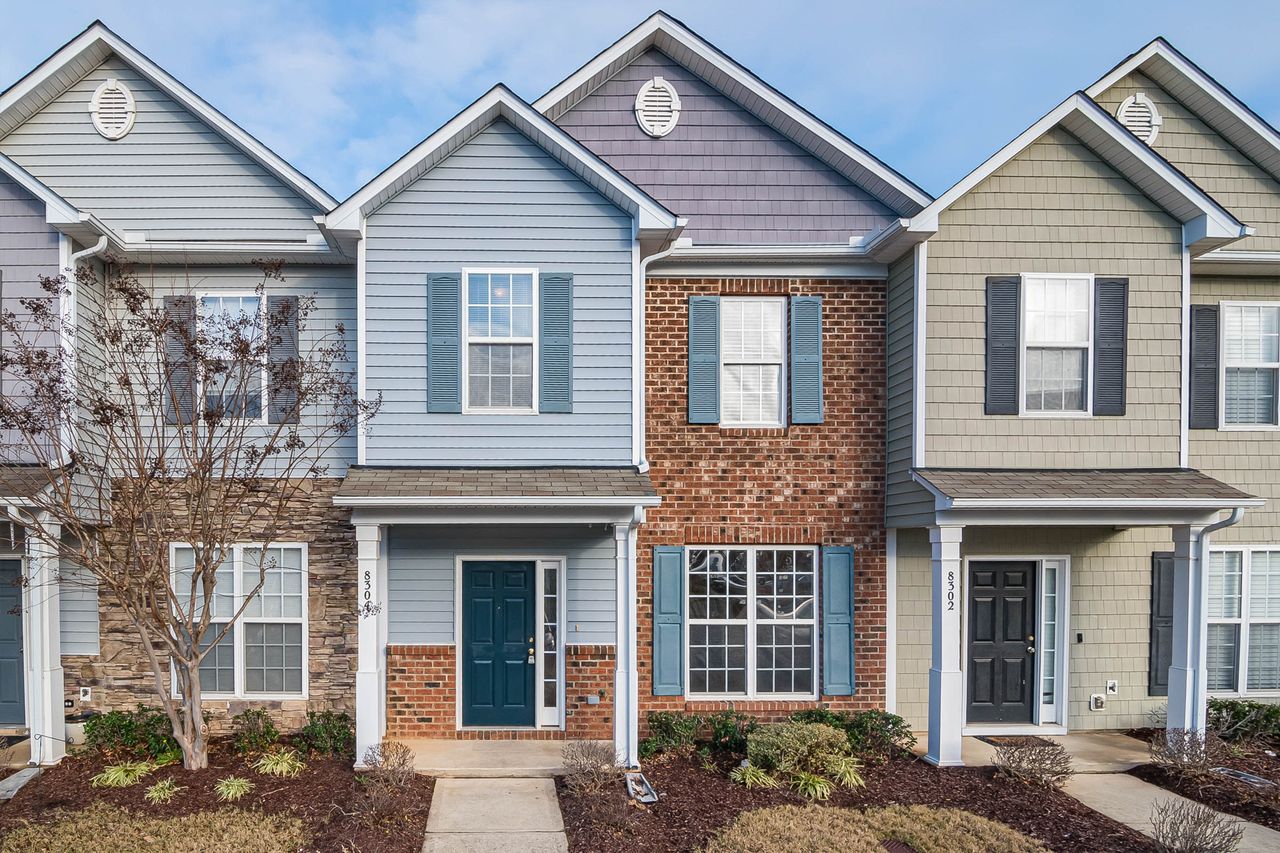
Gil Seton Jr. has spent decades involved in affordable housing development, with affiliated entities investing in projects supported by federal, state, and local housing programs. Gil Seton’s experience highlights an important consideration in affordable housing that can be overlooked when attention centers on the price of a unit: where the housing is located. A home can meet an affordability target while still leaving residents far from jobs, schools, health care, grocery stores, or reliable transportation.
The monthly rent or mortgage payment is only one part of what it costs to live somewhere. Transportation can add substantial expenses, particularly for households that need to travel long distances to reach work or essential services. A lower-cost apartment on the edge of a metropolitan area may require residents to own a car, spend more on fuel and maintenance, or devote additional hours to commuting. HUD has recognized the connection between housing and transportation costs, noting that location can significantly affect the overall cost of living for a household.
Location also influences access to employment. Affordable housing situated near major employment centers or reliable public transportation can make it easier for residents to find work and maintain consistent employment. This is particularly important for households with limited transportation options or workers whose schedules make long commutes difficult. HUD guidance on connected communities notes that transportation accessibility should be considered when selecting sites for affordable housing because isolation from jobs and other necessities can limit economic opportunity.
The same principle applies to education. For families with children, the neighborhood surrounding an affordable housing development can affect access to schools and educational resources. Proximity to childcare, libraries, after-school programs, and other community services can also reduce the logistical challenges families face in managing work and school responsibilities. In this way, neighborhood characteristics become part of the practical value of a home.
Health care access is another important consideration. A housing development may provide a safe and affordable place to live, but residents can still face barriers if medical providers or hospitals are difficult to reach. Transportation challenges can be especially consequential for older adults, people with disabilities, and households without reliable vehicles.
Access to healthy food can present a similar challenge. Grocery stores and other sources of nutritious food are among the community resources that can influence quality of life. When residents must travel considerable distances for basic necessities, the time and transportation costs associated with those trips can add another burden to already constrained household budgets.
For developers, these considerations can make site selection an important part of the affordability equation. Proximity to existing infrastructure and services may also allow a development to become more connected to the surrounding community rather than functioning as an isolated residential enclave. HUD’s research on opportunity-rich neighborhoods similarly emphasizes that neighborhoods should provide access to services, employment, schools, recreation, and other resources that shape residents’ well-being.
Affordable housing cannot be evaluated solely based on the cost of rent. The surrounding neighborhood can influence transportation costs, employment opportunities, access to essential services, and the time families have available for work, education, and one another. Considering those broader factors offers a way to think about whether a home connects residents to the opportunities and resources they need to build stable lives.