



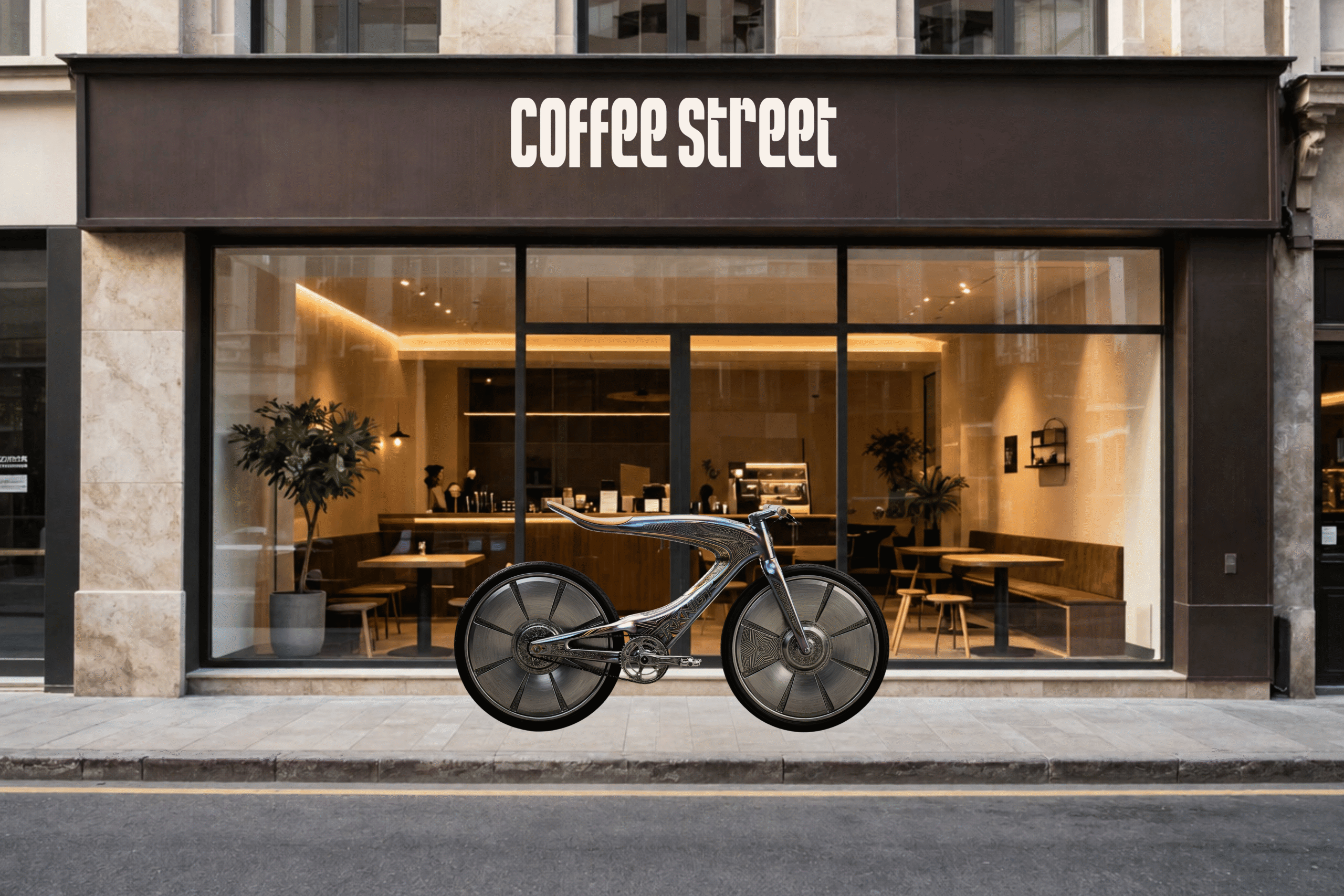
As electric mobility evolves, Garnadi is bringing its philosophy of bespoke craftsmanship, exclusivity, and collector-level personalization to a new category of luxury transportation.
The electric bicycle industry has traditionally focused on practical advantages: longer range, lighter frames, improved battery technology, and more efficient transportation. But as electric mobility becomes increasingly mainstream, a different segment of the market is beginning to emerge, one where performance is only part of the appeal.
For luxury mobility company Garnadi, the next evolution of the electric bicycle is not simply about how far or how fast it can travel. It is about craftsmanship, individuality, and the experience of owning something that cannot be replicated.
Known for its ambitious approach to exclusive automotive design, including its Double-Decker Supercar concept, Garnadi is now extending its vision into the luxury electric bicycle market. The company sees an opportunity to introduce the same principles associated with commissioned automobiles, fine watches, and collectible design objects into a category typically defined by engineering specifications.
A Different Definition of Luxury
Luxury electric bicycles already occupy a premium segment of the cycling industry, but Garnadi believes a high price tag alone does not establish a product as truly exceptional.
Instead, the company is approaching electric bicycles as individually commissioned creations, with each design reflecting the preferences and personality of its owner.
“Every Garnadi product is intended to feel commissioned, not purchased,” the company explains.
That distinction is central to its vision. Rather than developing a conventional production model with a limited selection of colors and accessories, Garnadi envisions a collaborative process in which collectors participate in shaping the bicycle’s appearance, materials, and finishing details.
The objective is to create an ownership experience more closely associated with bespoke automotive design than traditional bicycle retail.
For a collector accustomed to commissioning a custom automobile or acquiring a rare timepiece, the appeal extends beyond the product’s function. It becomes an expression of personal taste and an opportunity to own something with an individual story.
Engineering Meets Artistic Expression
Although personalization is fundamental to Garnadi’s approach, the company recognizes that technical performance remains essential.
Its vision includes advanced lightweight frame materials, precision engineering, carefully selected components, and custom geometry where appropriate. Integrated technology would emphasize intuitive functionality without compromising the bicycle’s overall aesthetic.
But Garnadi’s most distinctive ambitions involve materials and craftsmanship rarely associated with conventional electric bicycles.
The company is exploring possibilities that include titanium, carbon fiber, precious metals, bespoke leatherwork, exotic woods, and handcrafted decorative elements. These materials could allow individual bicycles to take on dramatically different identities, from understated contemporary designs to highly expressive collector pieces.
The challenge will be integrating those details without sacrificing the fundamental qualities that make an electric bicycle enjoyable to ride.
Garnadi’s philosophy places equal importance on engineering and aesthetics, with each component selected to contribute to the overall experience.
A beautifully finished frame, carefully integrated controls, and materials selected for durability can transform an otherwise practical vehicle into something its owner values beyond transportation.
The company also believes that technology should complement craftsmanship rather than overwhelm it. As electric bicycles become increasingly sophisticated, seamless integration may prove more desirable to luxury buyers than an abundance of visible features.
Why Scarcity Matters
Limited production is another defining element of Garnadi’s strategy.
While mainstream electric bicycle manufacturers often depend on manufacturing scale and standardized components, Garnadi intends to pursue the opposite approach.
The company has no interest in producing thousands of identical bicycles. Instead, it envisions extremely limited production, with individual commissions receiving the attention normally associated with handcrafted luxury goods.
Scarcity alone, however, is not enough to create a collectible product.
A truly desirable collector’s item must also demonstrate originality, craftsmanship, and an enduring connection with its owner. Garnadi believes that combining these qualities with individualized design could establish a different kind of value proposition within electric mobility.
For buyers who already appreciate limited-production automobiles, rare watches, or commissioned furniture, a bespoke electric bicycle could become another expression of their collecting interests.
Rather than viewing the bicycle as something to replace when a newer model arrives, Garnadi wants owners to regard it as an object worth maintaining and preserving.
Sustainability Through Longevity
Garnadi’s emphasis on durability also shapes its perspective on sustainability.
Electric bicycles are often associated with environmentally conscious transportation, but the company believes the discussion should extend beyond the power source.
Its approach emphasizes products designed for long-term ownership, using advanced materials and intentional manufacturing practices to reduce unnecessary waste.
Low-volume production, carefully chosen components, and durable construction are intended to support that philosophy.
The company also sees emotional attachment as an important factor in product longevity. When an owner has participated in commissioning a unique creation, there may be greater motivation to maintain, restore, and preserve it.
Garnadi’s ambition is to create bicycles that remain desirable for decades, potentially becoming objects passed from one generation to another.
Achieving that goal will require more than premium materials. Long-term serviceability, component availability, and battery replacement considerations will also be important as the company’s electric bicycle plans develop.
A New Experience for Luxury Collectors
Garnadi’s intended audience extends beyond traditional cycling enthusiasts.
The company is looking toward collectors who appreciate exceptional design across multiple categories, including automobiles, yachts, watches, architecture, and fine art.
For these buyers, ownership is often as much about the commissioning journey as the finished product.
Garnadi envisions a process that begins with conversations about the collector’s preferences and continues through decisions involving materials, geometry, finishes, and personalized details.
The finished bicycle would therefore represent a collaboration between the company and its owner.
That approach could also change how a luxury electric bicycle is experienced. Rather than being reserved exclusively for recreational cycling, it could become a distinctive part of everyday life, combining personal mobility with the satisfaction of using a carefully crafted object.
The Next Chapter of Luxury Mobility
Looking ahead five to ten years, Garnadi anticipates an increasingly divided electric bicycle market.
One segment will continue prioritizing accessibility, convenience, and practical transportation. Another could focus on exclusivity, sophisticated design, and individualized ownership experiences.
Garnadi intends to position itself within that second category.
Its planned expansion reflects a broader belief that luxury mobility is no longer confined to automobiles. Electric bicycles and other personal transportation products can also provide opportunities for exceptional craftsmanship and design innovation.
While the company’s luxury electric bicycle vision remains forward-looking, its direction is clear: performance will be expected, but individuality will define the experience.
Whether developing an exclusive automobile or a commissioned electric bicycle, Garnadi’s objective is to create products that owners appreciate not simply for what they do, but for what they represent.
In an industry where technology continues to advance and products can quickly become outdated, Garnadi is pursuing a different measure of success: creating something personal enough to enjoy today and meaningful enough to preserve for the future.