


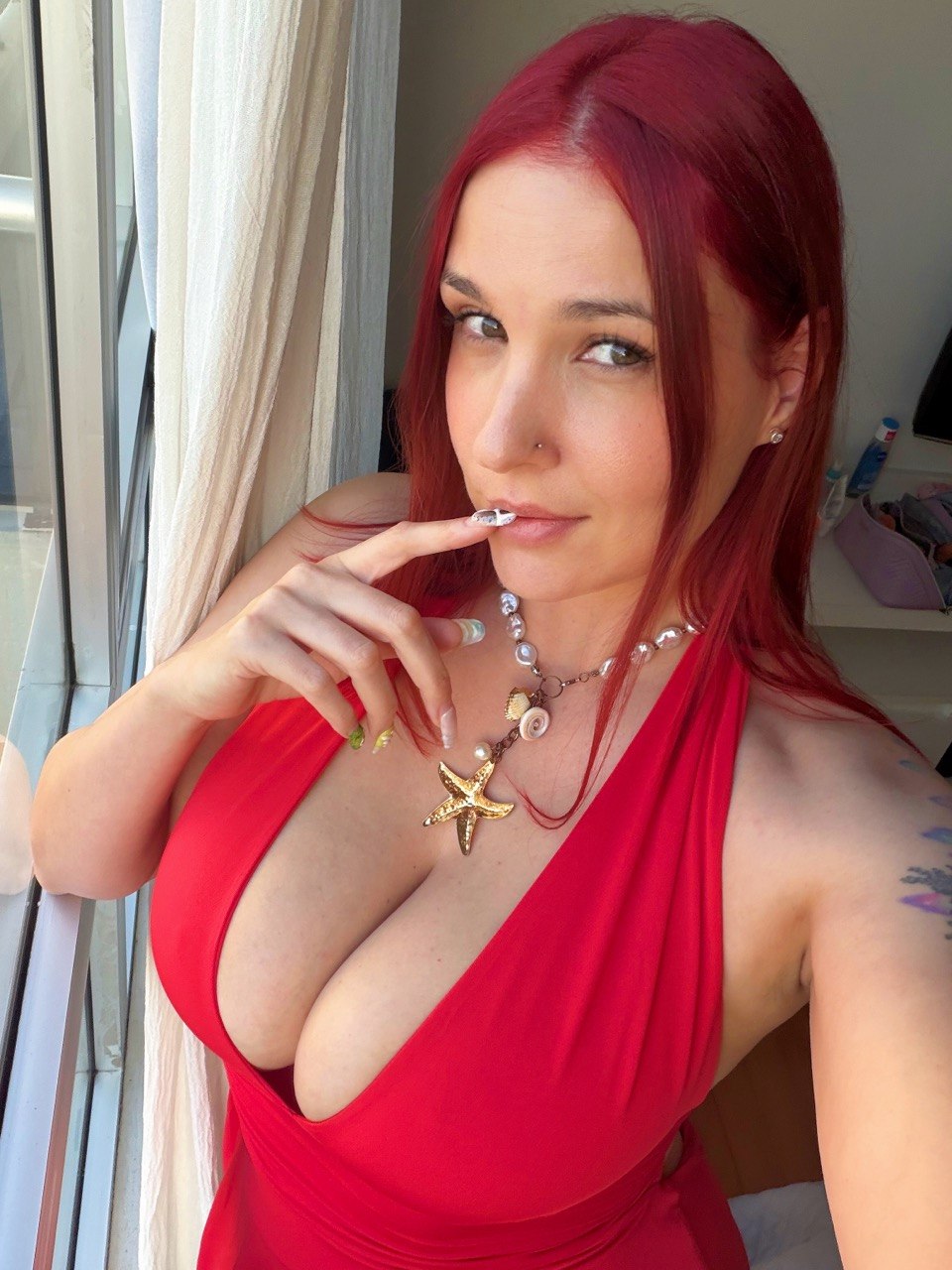
The former jazz performer learned early that online success rewards reaction, and sometimes the loudest critics become part of the show.
Sarothica spent years in a world where mastery came first.
As a trained jazz musician performing across Europe and the United States, she lived by discipline, repetition, and the long-standing idea that greatness requires years of practice.
When she entered the internet economy, she realized something unsettling: attention matters more than technical perfection.
That realization did not push her away from performance. It changed how she approached it.
Today, Sarothica has built a multi-platform audience approaching one million followers, including more than 500,000 on Instagram, while reaching top 0% creator status on OnlyFans.
Her rise has become an OnlyFans success story that reflects a larger conversation about the talent vs. attention economy and why some entertainers adapt faster than others.
From Jazz Clubs to Algorithms

At first glance, the contrast feels designed for internet discourse: a jazz musician-turned-OnlyFans creator who openly admits she enjoys provoking reactions online.
But Sarothica does not frame the transition as abandoning one career for another. To her, both environments reward the same core ability: understanding an audience.
In jazz, that means reading a room during a live set, adjusting energy in real time, and sensing when people lean in or drift away. Online, the signals arrive differently. Views, comments, reposts, DMs, and arguments all become audience feedback.
That perspective also explains why Sarothica rejects the idea that internet entertainment lacks skill. The mechanics changed, but performance never disappeared. She simply adapted to a different stage.
For those questioning why musicians change careers or leave traditional careers, her answer is surprisingly practical.
Traditional artistic fields often demand enormous technical investment with unstable financial returns. Online platforms reward immediacy, personality, and engagement far more directly.
The shift has also fueled broader discussions around how creators make money online and how OnlyFans changed the entertainment industry. For many performers, digital platforms offer direct audience access and a level of financial control that traditional industries often fail to provide.
Haters Matter More Than Fans

Sarothica’s most revealing insight came from a comment section.
She recalls an Instagram Reel where a viewer left a long message explaining why they disliked her. Instead of ignoring it, she replied. The commenter responded again. Then again. Soon, the exchange became a running thread filled with increasingly passionate responses from both sides. That video eventually reached millions of views.
That was the moment she says she understood how online visibility actually works.
“A passionate hater always engages more than a fan” could easily sound cynical, but Sarothica treats it more like audience psychology. The algorithm does not distinguish between applause and outrage particularly well. It simply registers activity, conversation, and intensity.
That insight sits at the center of discussions around why engagement matters more than approval on social media and why haters help you grow online. Online platforms reward interaction above almost everything else. A supportive fan may quietly like a post and move on. A critic often writes paragraphs.
For creators, that changes the rules entirely.
Performance in the Attention Economy

Sarothica openly acknowledges that the internet rewards strong reactions more consistently than quiet admiration. In that sense, she sees online entertainment as performance art filtered through algorithms.
That understanding shapes how she builds content today. Humor, provocation, interaction, and self-awareness all play into the “funny, sexy troll” identity she is developing online.
Her rise also reflects broader conversations about internet fame vs. traditional careers, what makes someone successful online today, and why personality matters more than skill. In many digital spaces, the creators who succeed are often the ones who understand audience behavior fastest.
That does not mean talent disappeared. It means talent alone no longer guarantees visibility.
Sarothica recognized that early, adjusted accordingly, and built a business around it. In her view, the internet did not replace performance. It simply changed what the audience responds to, and who gets rewarded for understanding the difference.